Eyelash Hypotrichosis: Causes, Diagnosis and Treatment
Having short, sparse or missing eyelashes can affect both appearance and eye comfort. When lashes are abnormally short, thin or few in number, doctors may describe the situation as hypotrichosis of the eyelashes. When lashes that were once present fall out, the term is madarosis. This guide explains the difference, the main causes, how a doctor investigates, and what treatment options exist.
Key takeaways
- Eyelash hypotrichosis means inadequate or sparse eyelashes. Madarosis means loss of eyelashes or eyebrows.
- Causes range from eyelid inflammation (blepharitis) and skin conditions to hormonal disorders, autoimmune disease, medicines such as chemotherapy, nutrition and trauma.
- Because causes vary so much, identifying the underlying problem is the main step in management.
- Bimatoprost 0.03% is a prescription medicine that the FDA approved in 2008 for eyelash hypotrichosis. It carries real risks and should be used under medical guidance.
What is eyelash hypotrichosis?
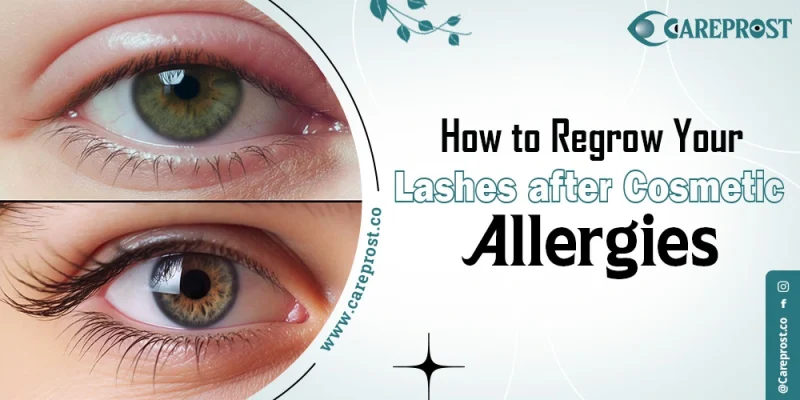
Hypotrichosis of the eyelashes refers to eyelashes that are inadequate in length, thickness or number. It is not a single disease but a description. It can be present from childhood, develop with age, or follow an illness, medicine or injury.
Madarosis is the clinical term for loss of eyebrow or eyelash hair, according to All About Vision. Loss that affects only the eyelashes is called ciliary madarosis, also known as milphosis. Our article on madarosis and the loss of eyelashes looks at this condition in more detail.
Common causes of sparse or missing eyelashes
A clinical review in PubMed Central lists autoimmune, endocrinologic, genetic, infectious, neoplastic, nutritional and traumatic causes of eyebrow and eyelash loss. In everyday practice, causes that are often mentioned include:
- Eyelid inflammation (blepharitis) and other local skin disorders. All About Vision says many cases of madarosis are caused by eye conditions such as blepharitis. Our post on whether eyelashes grow back after blepharitis explains this link.
- Autoimmune conditions such as alopecia areata, which often causes patchy loss on both eyelids.
- Hormonal or thyroid problems and other systemic illnesses.
- Medicines, including chemotherapy drugs.
- Nutritional problems.
- Trauma, scarring or repeated pulling, including trichotillomania.
- Genetic or congenital conditions in which lashes are absent from birth.
All About Vision groups causes into non-scarring types, where the hair follicle survives and lashes may return, and scarring types, where the follicle is destroyed.

When should you see a doctor?
Apollo Hospitals advises medical evaluation if eyelash or eyebrow loss is sudden, rapid or accelerating. Make an appointment promptly if:
- lashes fall out quickly or in patches,
- you are losing eyebrows or hair elsewhere on the body,
- your eyelids are red, crusted, swollen or painful,
- the loss began after starting a new medicine or cancer treatment.
How is the cause diagnosed?
Doctors typically begin with your medical and family history and an examination. According to Apollo Hospitals, blood tests and sometimes a skin biopsy may be used to look for causes such as thyroid disorders, autoimmune diseases or infections. For isolated eyelash and eyebrow involvement, the PubMed Central review recommends trichoscopy (magnified examination of hair and follicles) as a first step to distinguish between conditions.
Treatment options
Treat the underlying cause
A second review in PubMed Central notes that no formal guidelines exist for treating eyelash and eyebrow loss and that identifying the underlying condition is the mainstay of management. That might mean treating blepharitis, managing a thyroid or autoimmune disorder, or changing a medicine with your doctor.
Prostaglandin analogue medicine
Bimatoprost 0.03% ophthalmic solution (brand name Latisse) was first approved by the FDA in 2008, and the AAO has described it as approved to help lengthen, thicken and darken eyelashes. The same review notes that such drugs can extend the growth (anagen) phase and move resting follicles into growth, though some studies did not show statistically significant regrowth.
Important safety points from the prescribing information:
- Pigmentation of the eyelids and iris may occur, and iris pigmentation is likely to be permanent.
- The most common side effects (about 3 to 4 percent of users) are eye itching, redness and skin darkening.
- It is applied to the skin of the upper eyelid margin only, and not to the lower lid.
- It is not suitable for people who are hypersensitive to bimatoprost.
The AAO position statement also advises seeing a doctor before using it, telling your eye doctor if you use a prostaglandin analogue for glaucoma, and, in its older wording, noted it was not approved for people under 18. The current prescribing information describes a study in adolescents aged 15 to 17, so age rules vary by country and you should ask your doctor. If you and your doctor decide a bimatoprost 0.03% product is appropriate, Generic Latisse (Bimatoprost) is listed on our site as a prescription serum.
Cosmetic and surgical options
Mascara, tinting and extensions can change how lashes look but do not treat the cause, and extensions carry their own risks. In severe cases, specialists may discuss eyelash grafting, according to the PubMed Central review.
Understanding the growth cycle
Eyelashes grow in cycles, and only a proportion are actively growing at any time. Our guide to the eyelash growth cycle explains why lashes fall and regrow, and why occasional shedding is normal.
Questions to ask your doctor
Going to an appointment prepared makes the visit more useful. Consider asking:
- How long have my lashes been thinning, and could a medicine I take be responsible?
- Do I need blood tests or a closer examination of my eyelids and skin?
- Is the cause likely to be scarring or non-scarring, and what does that mean for regrowth?
- Could eyelid inflammation such as blepharitis be involved, and how should I treat it?
- If a prostaglandin-based product is an option, what are the risks for me, given any glaucoma, eye inflammation or previous eye surgery?
- When should we review progress, and what changes should make me come back sooner?
Bring a list of your medicines and supplements, and note when you first noticed the change. Photos taken over several months can also help your doctor see the pattern.
Everyday care while lashes are sparse
- Be gentle. Avoid rubbing your eyes and pulling at lashes, which can damage follicles that are still working.
- Remove makeup carefully. Use a soft, fragrance-free remover and a light touch, and replace mascara and eyeliner regularly. See our guide on whether mascara is bad for your eyelashes for practical tips.
- Keep the eyelids clean if your doctor has advised treatment for blepharitis or another lid condition.
- Protect your eyes. Lashes help guard the eye against dust and debris, so people with very few lashes may notice more irritation in windy or dusty conditions. Sunglasses or protective eyewear can help.
- Avoid unregulated products. Products that promise dramatic regrowth without listing their ingredients can irritate the eyes and eyelids.
Living with sparse lashes
Sparse lashes can affect confidence as well as comfort, and wanting to do something about them is completely reasonable. Cosmetic steps such as mascara or tinting can change the look of lashes, but they do not treat the cause. If low mood or anxiety about your appearance is affecting your daily life, it is worth mentioning that to your doctor too. For further guidance and eye-care products, you can browse our Eye Care section.
What to expect at the appointment
A typical visit starts with questions about when the lashes changed, whether it happened suddenly or slowly, and whether you have noticed hair loss elsewhere. Your doctor will usually look closely at the eyelid margins and skin, and may check for redness, scaling, mites or scarring. Depending on what they find, they may suggest blood tests, a skin test or a referral to a dermatologist or an eye specialist. It is normal to leave without a quick answer, because several causes can look alike and a treatment plan often begins with ruling things out.
Common myths about thin eyelashes
- “Thin lashes always mean a vitamin deficiency.” Nutrition can play a part, but many other causes exist, so taking supplements without a diagnosis can delay the right treatment.
- “Lashes always grow back.” They often do when the cause is treated and the follicle is intact, but scarring conditions can destroy follicles permanently.
- “Any lash serum is a harmless cosmetic.” Some products contain prescription-strength ingredients, and prostaglandin analogues have documented side effects, as outlined above.
- “Sparse lashes are only a cosmetic problem.” They can be, but sudden or patchy loss can also be a sign of an underlying health condition, which is why a check-up is worth having.
Related guides on Careprost.co
- Why eyelashes fall out and how to prevent it covers everyday causes of shedding.
- Beginner’s guide to eyelash serums and lash care explains what lash serums are and how to approach them.
- How long does Careprost take to show results? sets realistic expectations about timing.
- Bimatoprost side effects lists the reactions to watch for.
- Bimatoprost vs latanoprost explains how this drug class is used in eye care.
Product details are available for Lashona (Generic Latisse) and Careprost With Brush. Speak with a doctor before using a prescription-type product.
Frequently asked questions
Is hypotrichosis the same as madarosis?
Not exactly. Hypotrichosis describes sparse or short lashes, while madarosis describes lost eyelashes or eyebrows. They can overlap.
Can sparse eyelashes grow back?
It depends on the cause. Non-scarring causes may recover once treated, while scarring causes destroy follicles.
Are eyelash growth products safe for everyone?
No. Prostaglandin-based products can cause eyelid and iris pigmentation and other side effects. A doctor should assess whether they suit you.
This article is general information and not medical advice.
Sources