Dark Circles Under Your Eyes: Causes, Home Remedies and Treatments
You wake up after a full night of sleep and still look tired. Dark circles are one of the most common skin and eye concerns, and they affect people of every age. The good news is that most cases are harmless and many respond to simple changes. This guide explains why they appear, what you can do at home, which treatments a dermatologist may offer, and the signs that mean you should get checked.
Key takeaways
- Genetics is a leading cause, so dark circles can run in families.
- Fatigue does not create dark circles, but it can make them much easier to see.
- Rubbing or scratching the eyes, allergies and eczema can darken the skin around them.
- Sun exposure and ageing change the skin and can deepen the colour.
- Puffy lids and under-eye hollows cast shadows that look like dark circles.
- Darkening under one eye only, which keeps getting worse, needs medical advice.
What causes dark circles under the eyes?
The skin under your eyes is among the thinnest on your body, so colour and shadow show through easily. Mayo Clinic lists several causes, and often more than one is involved at the same time.
| Cause | What happens | What may help |
|---|---|---|
| Genetics | Thin skin or natural pigmentation, often seen from childhood | Sunscreen, concealer, or a dermatologist’s advice |
| Fatigue | Pale skin looks darker and the circles stand out | Regular, sufficient sleep |
| Rubbing or scratching | Irritation can darken the skin over time | Treat the itch, avoid rubbing |
| Eczema or contact dermatitis | Inflamed skin can become darker | Manage the condition with your doctor |
| Sun exposure | Triggers more pigment in the skin | Broad-spectrum SPF 30 or higher daily |
| Ageing | Skin thins and hollows form under the eyes | Skin care, or professional treatment |
| Melasma or pigmentation | Patches of darker skin appear | Dermatologist-guided creams |
| Smoking, heavy drinking, stress | Can make the area look duller and darker | Cut back and manage stress |
Is it pigment or shadow?
Not all dark circles are the same. Some are caused by darker skin colour. Others are caused by shadows from puffy eyelids or hollows that form under the eyes. A simple test is to stand in front of a mirror and gently pull the skin under the eye. If the colour stays, it is likely pigment. If it fades, you may be seeing shadow. Our guide on common eyelid problems and how the eyelids work explains why the area around the eye changes so easily.
Home remedies that can help
These steps are simple, low cost and recommended by Mayo Clinic as home care. Results vary, and they work best when you keep them up for several weeks.
- Use something cold. A cold, wet cloth, a chilled spoon or a bag of frozen peas wrapped in cloth, held under the eyes for a few minutes.
- Get more sleep. Rest will not remove the colour, but it makes the circles less noticeable.
- Prop up your head. An extra pillow can reduce fluid pooling under the eyes overnight.
- Wear sunscreen every day. Choose a broad-spectrum SPF 30 or higher and reapply regularly.
- Try eye patches. Over-the-counter patches with ingredients such as caffeine, vitamin K or kojic acid are an option for some people.
- Cut back on alcohol and quit smoking. Both can affect how your skin looks.
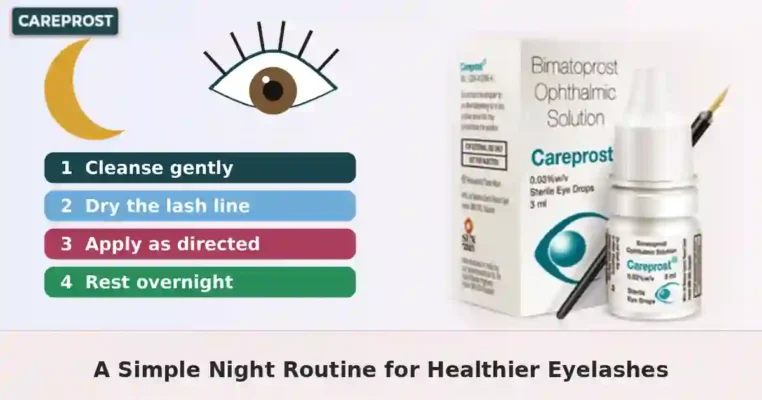
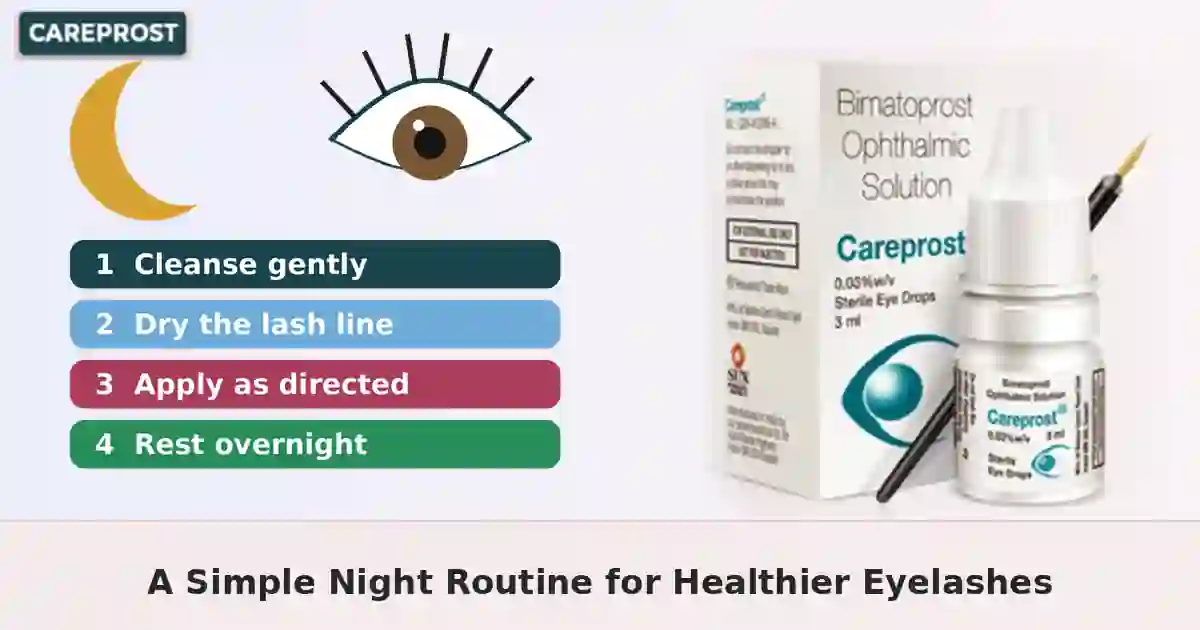
Sleep and daily habits matter for the lashes too. Read how sleep, stress and diet affect eyelash growth, and follow a simple night routine for healthier eyelashes.
Allergies, dry eyes and rubbing
If your eyes itch, you probably rub them, and rubbing is a known cause of darker skin around the eyes. Allergies are a common trigger. Our guide to home remedies for an eye allergy covers gentle ways to calm itchy eyes. Dry, gritty eyes can also lead to rubbing, so see natural ways to treat dry eyes. Treating the cause of the itch is often the first step to lighter skin.
The skin here is delicate. Introduce one new product at a time, avoid getting products into the eyes, and stop using anything that stings or causes redness. Browse gentle options in our skin care range.
Dark circles and eyelash serums
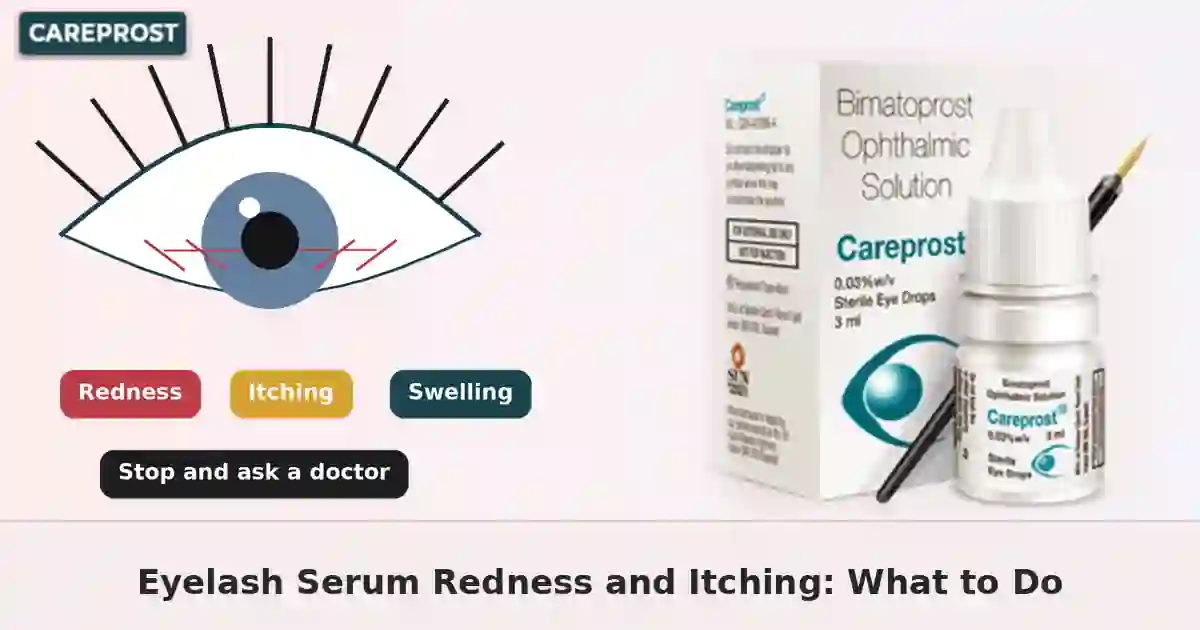
Some people notice darker skin on the eyelid after using a bimatoprost lash product. The Latisse label lists skin darkening around the application area as a common reaction, and it is usually described as reversible. If you notice changes, read our guide on eyelid darkening and iris colour change from bimatoprost. If redness or itching appears, see what to do about eyelash serum redness and itching.
Treatments a dermatologist may offer
If makeup and home remedies are not enough, Mayo Clinic notes that a dermatologist may suggest:
- Prescription creams for pigmentation.
- Laser therapy.
- Chemical peels.
- Filler injections for hollows under the eyes.
- Platelet-rich plasma injections.
- Surgery to reduce puffy lids in some cases.
The right option depends on whether your circles are caused by pigment, shadow or both, so an examination matters.
Related products on our site
Bimatoprost products are prescription-type medicines in many countries. Check your local rules and speak with a doctor or pharmacist before using them. They do not treat dark circles.
Frequently asked questions
Are dark circles a sign of illness?
Usually not. Most are linked to genetics, fatigue, sun, allergies or ageing. See a doctor if one side changes and worsens.
Can lack of sleep cause dark circles?
Tiredness can make dark circles more noticeable, but it is rarely the only cause.
Do cold compresses work?
They are a recommended home care step and can help with the look of the area, but they do not change pigment.
Can sunscreen help?
Yes. Sun exposure can darken the skin, so daily broad-spectrum SPF 30 or higher is advised.
When should I see a dermatologist?
If makeup and home remedies are not helping, a dermatologist can look at prescription creams, lasers, peels or fillers.
Final thoughts
Dark circles are common and usually harmless. Find out whether pigment, shadow or both is behind yours, protect the skin from the sun, treat allergies and stop rubbing. If nothing helps, or one side changes, ask a professional. Your eyes come first.
This article is general information and not medical advice. Always follow your doctor’s instructions.
Sources